Buying an investment property in your own name is not the only route. A growing number of investors use a Limited Company set up purely to hold property, known as a Special Purpose Vehicle (SPV). This guide explains how the structure works, what SPV mortgages may offer, and who it might suit.
In this guide
What Is an SPV?
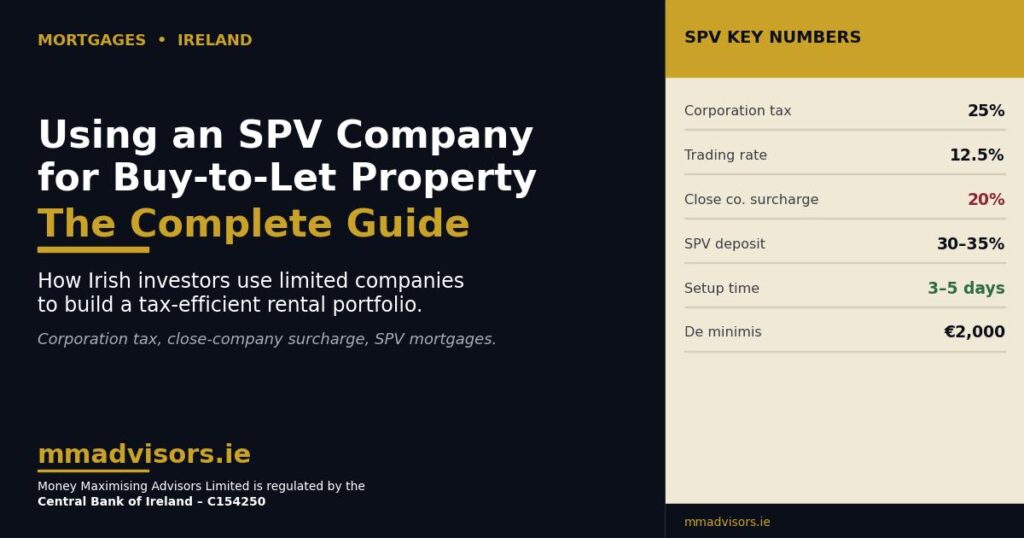
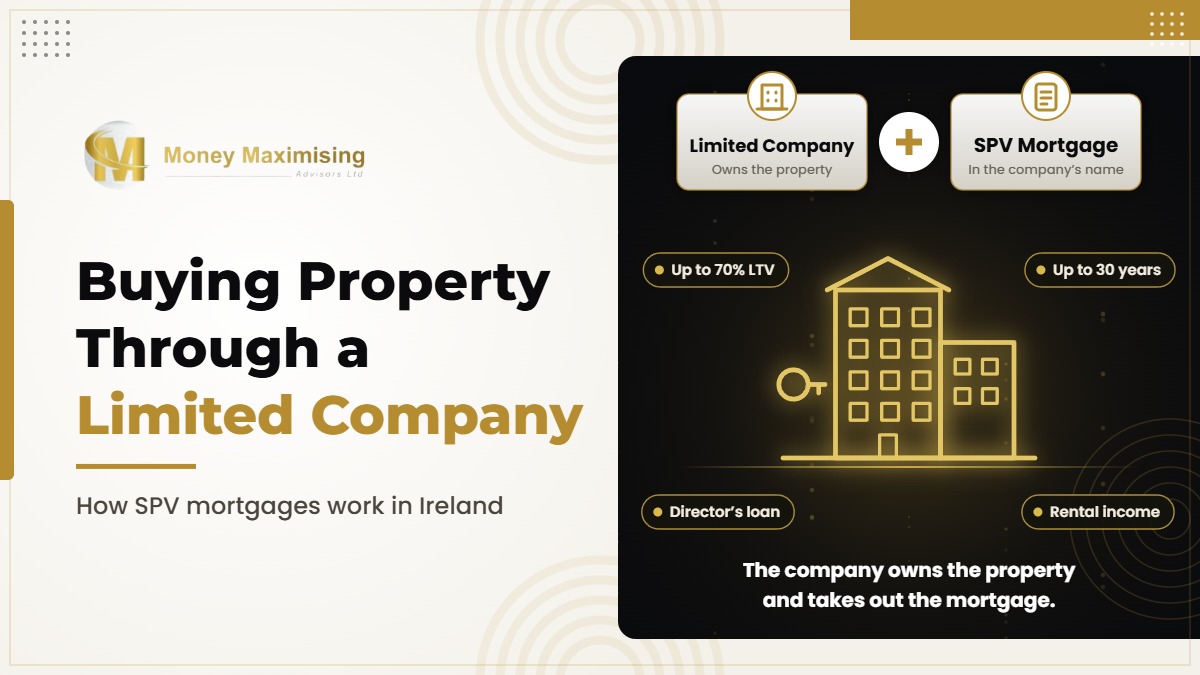
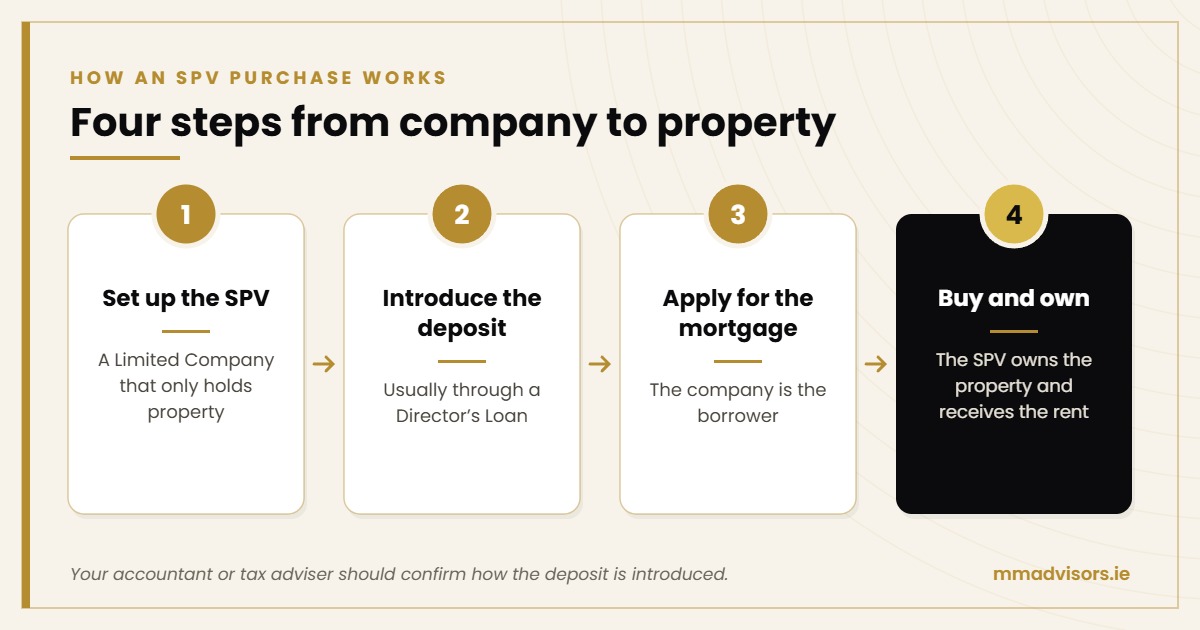
An SPV is a Limited Company set up specifically to buy and hold property. It does not trade or carry out any other business. Its only job is to own the investment property and receive the rental income.
Because the company owns the property, the company is also the borrower. Lenders assess the company, the property, the expected rent and the directors behind it. For a full walkthrough, see our guide on how an SPV mortgage works.
What Mortgage Finance Could Be Available?
Depending on the lender and your circumstances, an SPV mortgage may offer:
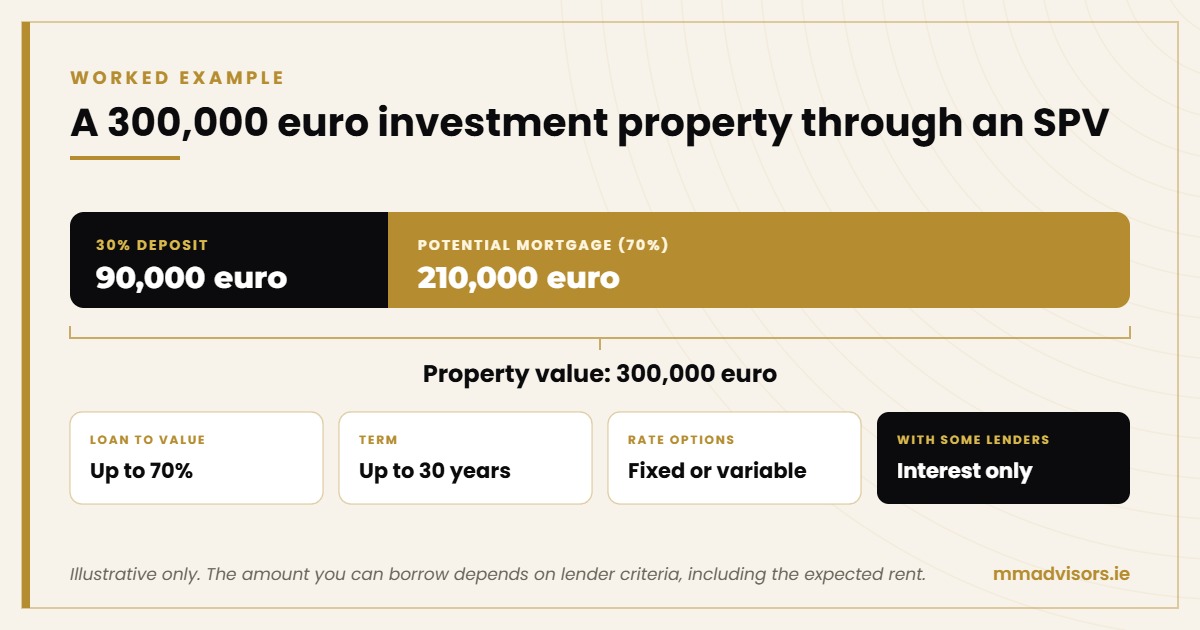
Up to 70%
Loan to value (LTV), meaning a 30% deposit
Up to 30 years
Mortgage term
Fixed or variable
Rate options
Interest only
Available with some lenders
Pricing differs from lender to lender, and our guide to SPV mortgage rates explains what affects the rate you are offered.
A Worked Example
Say you want to buy a 300,000 euro investment property through an SPV.
Good to know
The final amount you can borrow depends on the lender’s criteria, including the expected rental income.
How Can the Deposit Be Funded?
Personal savings
Director’s Loan
If you are using personal savings, the funds are usually introduced into the SPV through a Director’s Loan.
Existing trading company
Intercompany Loan
If you already run a trading company, funds may be moved to a property subsidiary through an Intercompany Loan, depending on your company structure.
Take advice first
Your accountant or tax adviser should confirm which route suits your circumstances.
What Type of Property Qualifies?
This type of finance is intended for residential investment properties that are suitable for renting and meet the lender’s criteria.
Generally suitable
Generally outside the criteria
- ✕Commercial properties
- ✕Development projects
- ✕Self builds
- ✕Derelict properties
How Is It Different From Buying Personally?
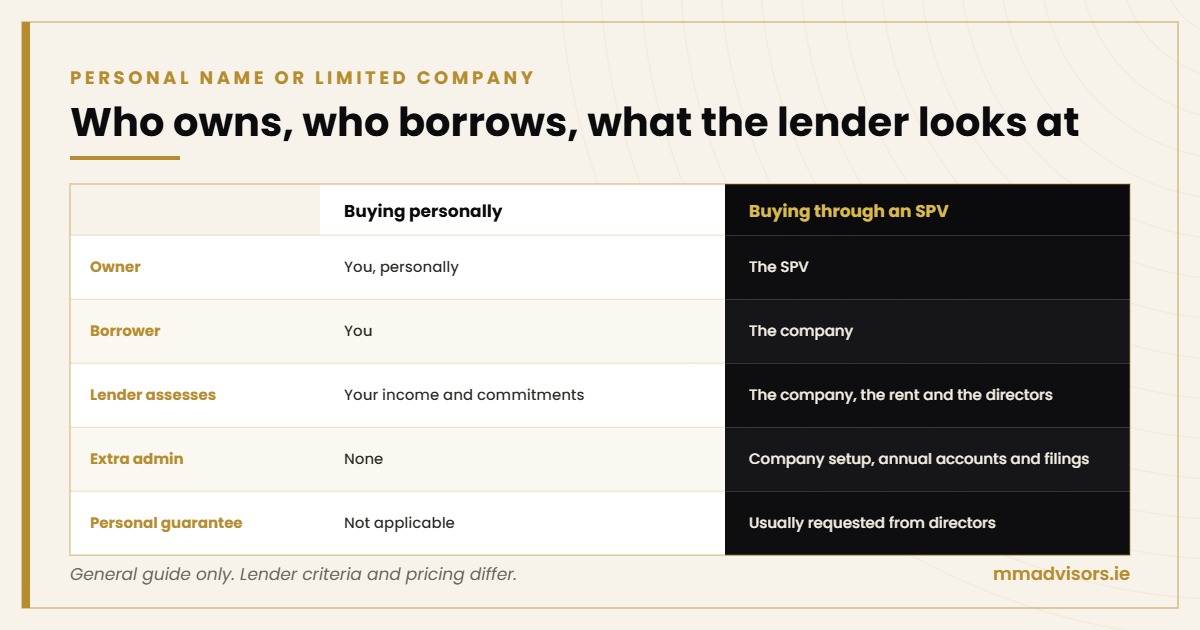
When you buy personally, the property is in your own name and a buy to let mortgage is assessed mainly on your personal income and commitments.
When you buy through an SPV, the company owns the property and the lender looks at the company, the rent and the directors together. Pricing can differ too, which we cover in buy to let mortgage rates vs SPV mortgage rates.
Why Investors Consider an SPV
Investors look at SPV mortgages for a few common reasons:
- ✓Holding an investment property in a structure separate from their personal finances
- ✓Preserving personal borrowing capacity, since the company is the borrower
- ✓Growing a portfolio, with each property or group of properties held in a company
- ✓Tax and succession planning
Succession planning
Succession is a specialist area in its own right, and inheritance tax advice is worth taking alongside any decision about how a portfolio is held.
Is an SPV Right for You?
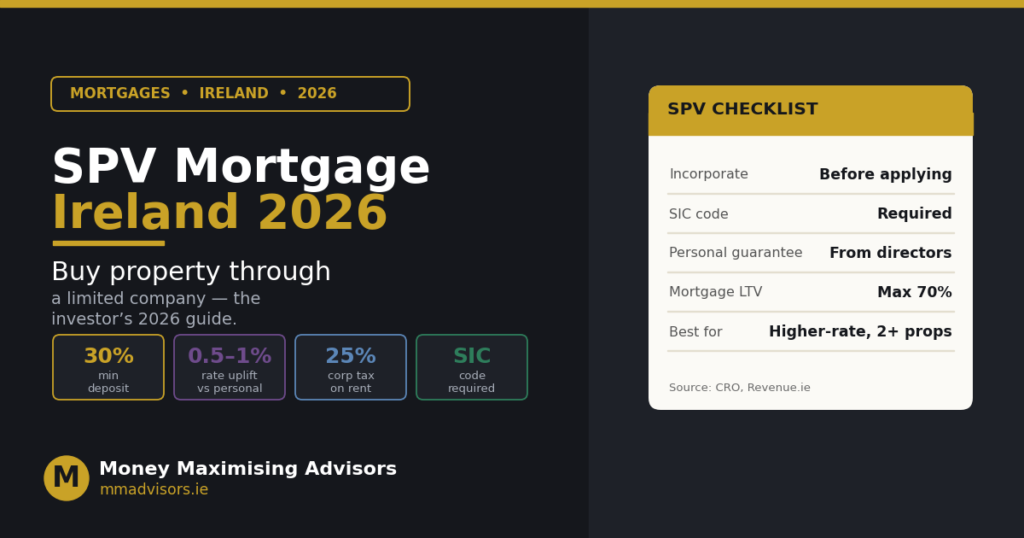
Not necessarily. An SPV brings extra costs and paperwork, such as company setup, annual accounts and filings. Directors are usually asked to give a personal guarantee.
Whether it suits you depends on all of the above. Our guide on whether you should buy property in Ireland through an SPV sets out the pros and cons in more detail, and independent mortgage comparison advice can help you weigh an SPV against buying personally.
Next Steps
If you are considering buying an investment property through a Limited Company, speak with an MM Advisors mortgage advisor about how an SPV mortgage could work for you. You can book a free mortgage consultation online, or explore our full range of mortgages.
FAQs
Important information
WARNING: If you do not keep up your repayments you may lose your property.
WARNING: The cost of your monthly repayments may increase.
WARNING: You may have to pay charges if you pay off a fixed rate loan early.
This article is general information, not financial or tax advice. Lending is subject to lender criteria and approval.
Money Maximising Advisors Ltd is regulated by the Central Bank of Ireland. C154250.