Holiday home insurance Ireland is specialist cover designed for a property that is not your main residence. Owning a holiday home can be a valuable investment and a place for families to enjoy throughout the year. However, unlike a main residence, holiday homes are often left unoccupied for extended periods, increasing the risk of issues such as theft, vandalism, storm damage, burst pipes, and unnoticed maintenance problems.
Whether your home is used for personal holidays or occasionally rented to guests, the right policy can help protect your property and your financial investment.
What Is Holiday Home Insurance?
Holiday home insurance is designed for properties that are not used as a permanent residence. Unlike standard home insurance, it considers the additional risks linked to occasional use and longer periods of vacancy.
It is suitable for:
- Owners of second homes and holiday cottages
- Families with inherited holiday properties
- Owners of coastal or rural retreats
- People who rent their holiday home occasionally
A specialist policy ensures that your cover reflects how your property is actually used.
Why Holiday Homes Need Specialist Insurance
Holiday homes face different risks from permanently occupied properties because problems may remain unnoticed for longer periods.
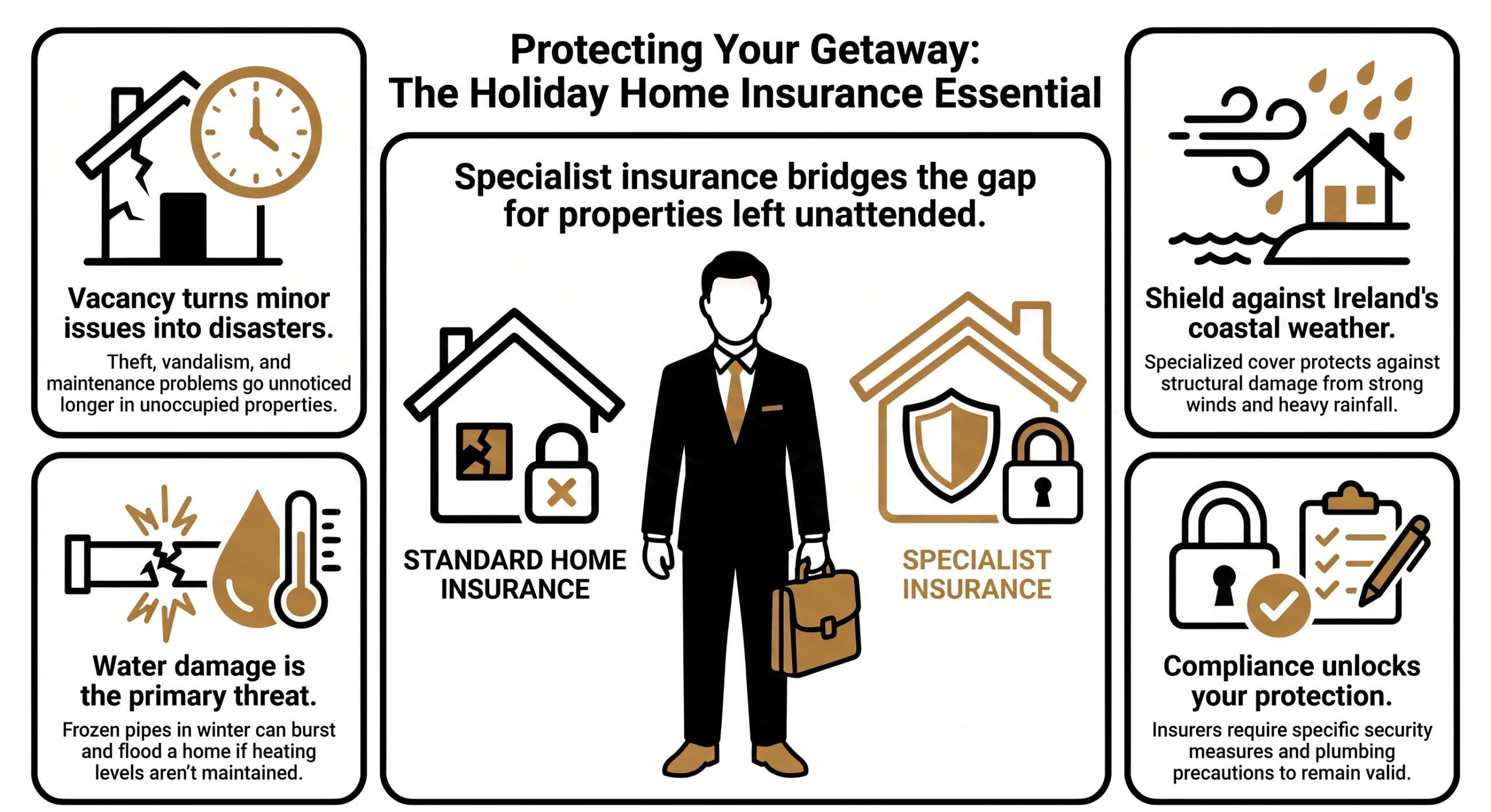
Common risks include:
Extended Periods of Vacancy
Empty properties can be more vulnerable to:
- Theft
- Vandalism
- Water damage
- Weather related issues
- Maintenance problems
A specialist holiday home insurance policy helps provide protection against these risks while accounting for periods when the property is unoccupied. For properties that stand empty for several months at a time, unoccupied home insurance may also be worth reviewing alongside a holiday home policy.
Weather Damage
Ireland’s weather conditions can create challenges for second properties, especially those located in coastal or rural areas. Strong winds, heavy rainfall, and storms can damage roofs, windows, external structures, and other parts of a property.
Holiday home insurance can help cover repairs following insured weather-related events, depending on the terms of the policy.
Theft and Vandalism
Properties that remain empty for long periods may be more vulnerable to burglary or malicious damage. This is particularly important for holiday homes containing furniture, appliances, and personal belongings.
Many insurers require homeowners to maintain suitable security measures, such as approved locks or alarm systems, to reduce risks and meet policy conditions.
Escape of Water
Water damage is one of the most common concerns for unoccupied properties. During colder months, frozen pipes can burst and cause significant damage before the issue is discovered.
Some insurers may require precautions such as maintaining minimum heating levels or taking steps to protect plumbing systems during periods of vacancy.
Fire Damage
Fires can occur unexpectedly due to electrical faults, appliances, fireplaces, or other causes. Buildings insurance can help cover repairs or rebuilding costs following insured fire damage, while contents insurance may protect belongings inside the property.
Who Needs Holiday Home Insurance?
If you own a second property in Ireland that is not your main residence, specialist insurance may be necessary to ensure adequate protection.
Holiday home insurance is particularly relevant if your property:
- Is occupied only during holidays or weekends
- Remains empty for several months each year
- Is located in an area exposed to storms or coastal weather
- Contains valuable furniture or personal belongings
- Is rented to guests occasionally
Being transparent about how your property is used is important when arranging insurance. If you rent the property to paying guests, your insurer needs to know, as additional cover may be required.
What Does Holiday Home Insurance Typically Cover?
Most holiday home insurance policies include two main areas of protection: buildings insurance and contents insurance. Additional options may also be available depending on your needs.
Buildings Insurance
Buildings insurance protects the physical structure of your holiday home. It may cover repair or rebuilding costs following insured events such as fire, storms, or escape of water.
Typical areas covered may include:
- Roofs, walls, and foundations
- Doors and windows
- Permanent fixtures and fittings
- Kitchens and bathrooms
- Garages and outbuildings
- Plumbing systems
- Driveways and boundary structures (depending on the policy)
Because rebuilding costs can be significant, ensuring your property has an appropriate level of buildings cover is essential.
Contents Insurance
Contents insurance covers belongings kept inside the holiday home. This can include:
- Furniture
- Appliances
- Electronics
- Kitchen equipment
- Decorative items
- Personal belongings
If items are damaged or stolen due to an insured event, contents insurance may contribute towards repair or replacement costs, subject to policy limits.
Optional Cover Worth Considering
While buildings and contents insurance provide the foundation of holiday home insurance, many owners choose additional protection to cover specific situations.
Accidental Damage Cover
Accidental damage cover protects against unexpected incidents that are not caused by events such as fire, storms, or theft.
Examples may include:
- Accidental damage to floors or fixtures
- Broken windows
- Damage to kitchen surfaces
- Accidents caused during maintenance work
This type of cover can be particularly useful for properties that are frequently used by family members or guests.
Holiday Letting and Loss of Rental Income Cover
If you rent your holiday home to guests, it is important to ensure your insurance policy allows holiday letting. Standard holiday home insurance may not automatically include rental activity.
Additional cover may help protect against risks linked to paying guests and, depending on the policy, may provide support if an insured event prevents you from accepting bookings. For example, if storm damage makes the property temporarily unavailable, loss of rental income cover may help reduce the financial impact.
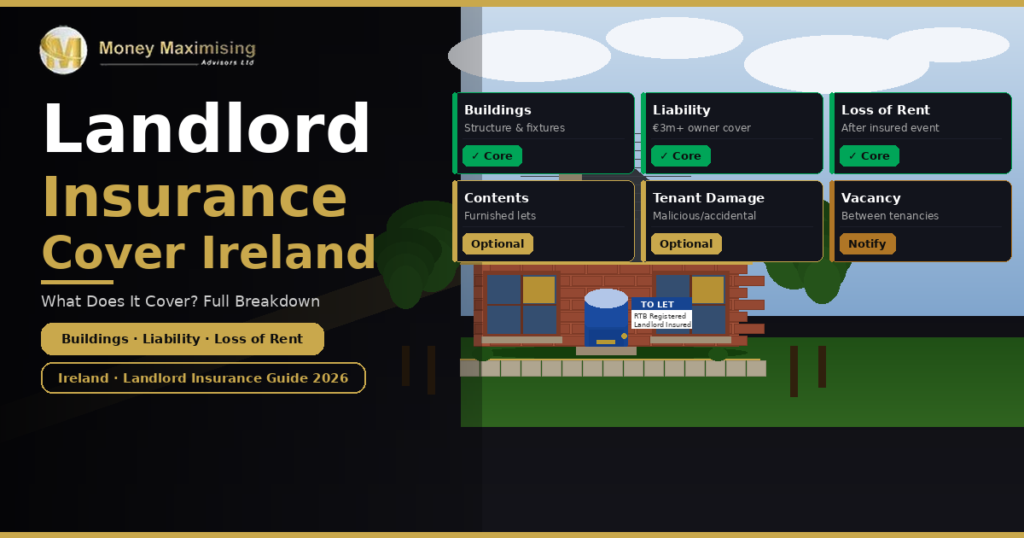
If you let the property on a more regular or longer term basis rather than occasional holiday stays, landlord insurance may be the more suitable route. You can also request a landlord rental property quote to compare your options.
Public Liability Insurance
Public liability cover can protect you if someone is injured while visiting your holiday home and you are considered responsible. This is especially important for owners who allow guests, friends, or paying visitors to stay at the property.
Home Emergency Assistance
Some policies offer emergency assistance for urgent property problems, including:
- Burst pipes
- Heating failures
- Electrical emergencies
- Blocked drains
- Lost keys or broken locks
This can be particularly valuable if your holiday home is located far from your main residence.
Legal Expenses Cover
Legal expenses cover may help with certain legal costs connected with property disputes or other covered situations, depending on the insurer and policy terms.
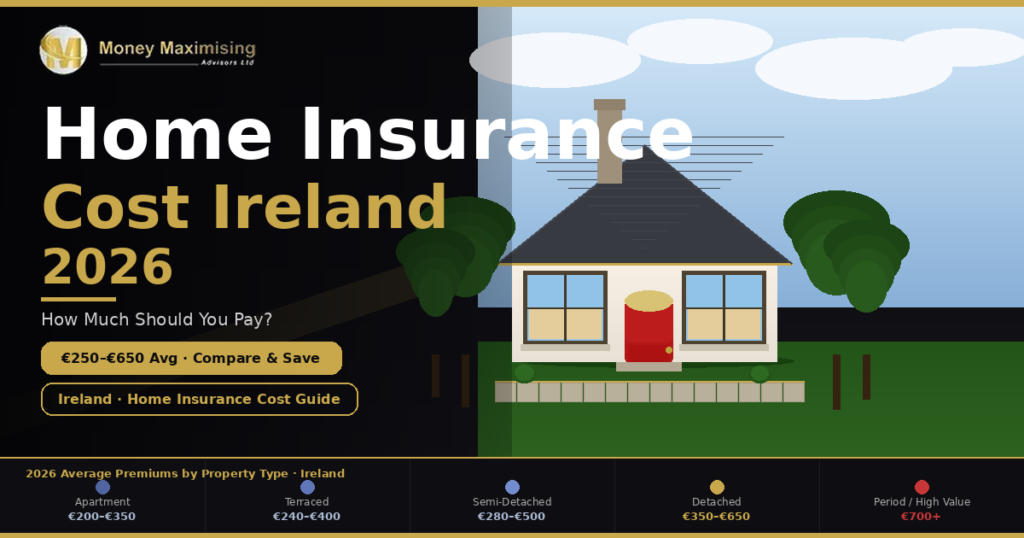
What Affects the Cost of Holiday Home Insurance in Ireland?
The cost of holiday home insurance in Ireland varies depending on several factors. Insurers assess the level of risk associated with the property, how it is used, and the amount of protection required.
Understanding these factors can help you make informed decisions when comparing policies.
Property Location
Location plays an important role in determining insurance premiums.
Properties located near the coast may face increased exposure to storms, high winds, and weather related damage. Rural properties may also have different risks, including longer response times for emergencies or increased security concerns.
Insurers may consider local claims history and environmental risks when calculating premiums.
Rebuild Cost
Insurance is generally based on the cost of rebuilding the property rather than its market value.
Factors affecting rebuild costs include:
- Property size
- Construction materials
- Age of the building
- Special features
- Outbuildings or additional structures
A larger or more complex property may require a higher level of buildings cover.
Security Measures
Security features can help reduce the risk of theft and vandalism.
Examples include:
- Approved burglar alarms
- CCTV systems
- Secure doors and windows
- External lighting
- Smart security devices
Some insurers may consider improved security when assessing your premium.
Occupancy and Usage
A property used regularly throughout the year may present a lower risk than one that remains empty for long periods. If the property is rented to holiday guests, this must also be declared to the insurer.
Claims History
Previous claims may influence future premiums. A history of multiple claims can indicate a higher risk, while maintaining a claim free record may help when looking for competitive insurance options.
Property Age and Construction Type
Older properties, listed buildings, traditional cottages, or homes built using specialist materials may require more tailored insurance due to potentially higher repair costs. Some of these properties may fall under non standard home insurance, which is designed for homes that sit outside typical underwriting criteria.
Holiday Home Insurance vs Standard Home Insurance
Although both a standard home insurance policy and a holiday home policy protect residential properties, they are designed for different situations.
| Standard Home Insurance | Holiday Home Insurance |
| Designed for your main residence | Designed for second properties |
| Assumes regular occupancy | Allows for periods of vacancy |
| Standard residential risks | Covers additional risks linked to holiday homes |
| May restrict unoccupied periods | Designed for occasional use |
| Usually not suitable for holiday letting | May offer optional rental cover |
Using standard home insurance for a holiday property could create gaps in protection if the property is empty for extended periods or used for rental purposes.
A specialist holiday home insurance policy ensures that the cover matches the way your property is actually occupied.
Tips to Reduce the Cost of Holiday Home Insurance
Although premiums depend on individual circumstances, there are several steps that may help reduce insurance costs while maintaining suitable protection.
Improve Security
Making your property more secure can reduce the likelihood of theft or vandalism.
Consider installing:
- A monitored alarm system
- Strong locks on doors and windows
- Outdoor security lighting
- CCTV cameras
Carry Out Regular Inspections
Regular checks are especially important when a property remains empty for long periods.
During inspections, look for:
- Water leaks
- Signs of damp
- Roof problems
- Storm damage
- Security issues
Identifying problems early can prevent small issues from becoming expensive repairs.
Protect Against Winter Damage
Cold weather can cause serious damage to holiday homes, particularly through frozen pipes.
Useful precautions include:
- Keeping heating at a suitable level
- Insulating exposed pipes
- Turning off water supplies when appropriate
- Arranging checks during severe weather
Always follow any requirements set out by your insurer.
Compare Policies Carefully
The cheapest policy is not always the best option. Before choosing cover, compare:
- Level of protection
- Policy exclusions
- Excess amounts
- Optional benefits
- Claims process
A policy that provides suitable protection can offer better value over time.
Common Exclusions to Be Aware Of
Like all insurance policies, holiday home insurance includes exclusions. Understanding these can help avoid unexpected problems when making a claim.
Wear and Tear
Insurance generally covers sudden and unexpected damage rather than normal ageing or deterioration.
Examples that may not be covered include:
- General maintenance issues
- Old roofing problems
- Rot or corrosion
- Normal deterioration
Property owners remain responsible for maintaining their home.
Damage Caused by Neglect
Claims may be affected if damage occurs because necessary maintenance was ignored.
Examples include:
- Leaving known leaks unrepaired
- Ignoring damaged gutters
- Failing to address plumbing issues
Regular maintenance is an important part of protecting your property.
Unapproved Rental Activity
If you rent your holiday home without informing your insurer, your policy may not provide appropriate protection.
Always confirm whether holiday letting is included before accepting paying guests.
Unoccupied Property Conditions
Many policies include specific requirements for properties left empty for extended periods.
These may include:
- Regular inspections
- Security requirements
- Heating conditions
- Water supply precautions
Failing to meet these conditions could affect a future claim.
How to Choose the Right Holiday Home Insurance Policy
Choosing the right holiday home insurance in Ireland is about more than finding the lowest premium. The best policy should provide suitable protection based on how you use your property, where it is located, and the risks it may face. The MM Advisors general insurance team can help you compare cover based on how your property is actually used.
Before selecting cover, consider the following factors:
Check Buildings and Contents Cover Limits
Ensure your buildings insurance covers the full rebuilding cost of your property, including materials, labour, and additional structures. For contents insurance, consider the value of furniture, appliances, electronics, and personal belongings.
Having adequate cover helps avoid unexpected costs if you need to repair or replace items after a claim.
Review Policy Exclusions and Conditions
Before purchasing a policy, carefully check:
- What events are covered
- What exclusions apply
- Requirements for unoccupied properties
- Security conditions
- Claims procedures
- Optional cover available
Understanding the small print can help you avoid unexpected issues later.
Consider the Excess
The excess is the amount you agree to pay towards a claim before your insurer contributes.
A higher excess may reduce your premium, but it is important to choose an amount you could comfortably afford if you needed to make a claim.
Protect Your Holiday Home with MM Advisors
A holiday home is a significant investment, and the right cover helps protect it during the periods when you are not there. MM Advisors can help you arrange holiday home insurance in Ireland that reflects how your second property is actually used, from occasional weekend stays to occasional letting.
The easiest way to determine your premium is to get a holiday home insurance quote tailored to your property. To discuss your second property in more detail, contact MM Advisors for guidance suited to your circumstances.
MM Advisors is regulated by the Central Bank of Ireland (C154250).
FAQs
1. What is holiday home insurance?
Holiday home insurance is a specialist policy designed to protect properties that are not used as a permanent residence. It typically provides cover for buildings, contents, and risks associated with homes that are left unoccupied for longer periods than a primary residence.
2. Why do I need holiday home insurance in Ireland?
Holiday homes face different risks compared to permanently occupied properties. Long periods of vacancy can increase the likelihood of theft, vandalism, burst pipes, and storm damage. A specialist policy is designed to address these additional risks.
3. Does standard home insurance cover a holiday home?
Not always. Standard home insurance policies often have restrictions on how long a property can remain unoccupied and may not provide adequate cover for second homes or holiday properties. A dedicated holiday home insurance policy is usually more appropriate.
4. What does holiday home insurance typically cover?
Most policies include: Buildings insurance; Contents insurance; Fire damage; Storm damage; Escape of water; Theft and vandalism; Public liability (depending on the insurer). Optional extras such as accidental damage or holiday letting cover may also be available.
5. Does holiday home insurance cover short-term holiday rentals?
Not automatically. If you rent your holiday home to guests, you should inform your insurer. Some providers include limited holiday letting, while others require an additional extension or specialist policy.
6. Can I insure a holiday home that is empty for several months?
Yes. Many insurers offer cover for properties that remain unoccupied for extended periods, although you may need to comply with certain conditions, such as carrying out regular inspections or maintaining minimum heating levels during winter.
7. Is contents insurance included?
Contents insurance is often available alongside buildings insurance, although the level of cover varies between policies. Check your policy documents to understand what belongings are covered and the applicable limits.
8. How much does holiday home insurance cost in Ireland?
The cost depends on factors such as the property’s location, rebuild value, security measures, occupancy, claims history, and the level of cover selected. The easiest way to determine the premium is to get a holiday home insurance quote.
9. What types of holiday homes can be insured?
Most insurers can cover a range of properties, including detached and semi-detached houses, cottages, bungalows, apartments, and purpose-built holiday homes, subject to their underwriting criteria.
10. Can I add accidental damage cover?
Yes. Many insurers offer accidental damage as an optional extra. This can provide protection against unexpected incidents, such as broken windows, damaged flooring, or accidental damage to fixtures and fittings.